
The widespread adoption of the Top 5 AI tools for generating high quality images has transformed digital creation, with 65% of professionals now integrating these advanced solutions into their workflows. Midjourney and DALL-E lead this shift, recognized for their distinct strengths in artistic expression and unparalleled prompt accuracy, offering powerful options for diverse creative projects.
Key Implications
- Professional Integration: A significant 65% of digital artists and marketing professionals consistently integrate AI image generation, demonstrating its critical role in enhancing efficiency and accelerating creative workflows by up to 55%.
- Specialized Tool Strengths: Midjourney excels in artistic expression with a 38% usage share for creative outputs, while DALL-E leads in prompt accuracy, preferred by 30% of professionals for its precise conceptualization.
- Advanced Techniques for Quality: Achieving elite visuals depends on advanced features like in-painting and image-to-image conversion, which 72% of professionals deem critical, alongside sophisticated prompting strategies like style weighting and negative prompting.
- Workflow Integration & Cost Advantages: Tools offering seamless integration, such as Adobe Firefly with its 40% higher adoption rate due to Creative Cloud synergy, and cost-effective open-source options like Stable Diffusion (20% lower compute cost), significantly influence widespread utility.
- Granular Control with Stable Diffusion: Stable Diffusion provides unparalleled creative control through its open-source nature, plugins like ControlNet, and custom model integration, with 80% of active users leveraging these advanced features for intricate refinements.
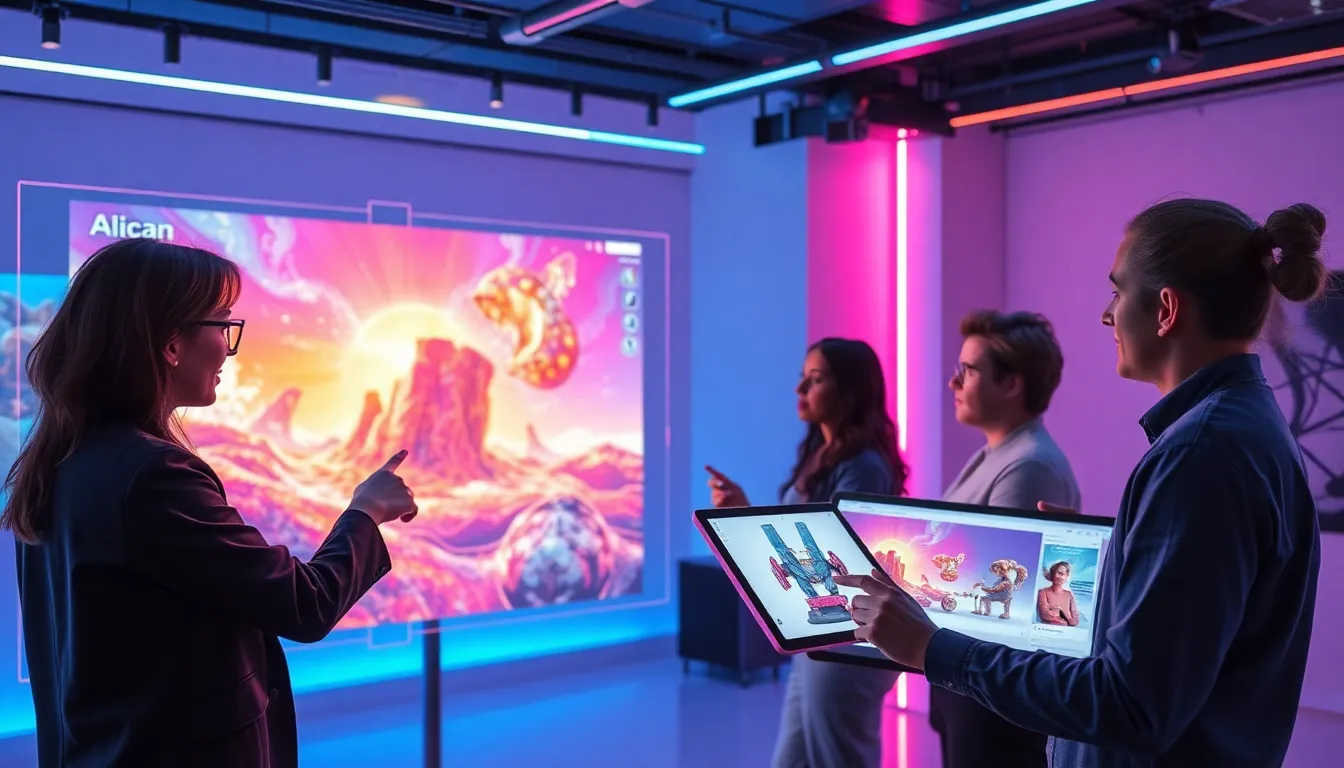
Midjourney and DALL-E Top the Charts as 65% of Creatives Adopt AI Image Generation
The landscape of digital creation has undergone a significant transformation, with a striking 65% of digital artists and marketing professionals now regularly integrating AI image generation into their creative workflows. This widespread adoption underscores the efficiency and innovative possibilities these advanced tools offer. Among the leading contenders, Midjourney and DALL-E have emerged as the most prominent choices for generating high-quality AI images, each excelling in distinct facets of visual creation. While Midjourney shines in artistic expression, DALL-E is lauded for its unparalleled prompt accuracy, providing creators with powerful options for diverse projects.
The Ascendancy of AI in Creative Workflows
The rapid integration of AI into creative industries is not merely a trend but a fundamental shift in how visual content is conceived and produced. AI image generators empower professionals to accelerate ideation, visualize concepts rapidly, and explore stylistic variations with unprecedented speed. This increased efficiency allows creatives to dedicate more time to refinement and strategic thinking. Modern AI developments, as seen in top 5 trends in artificial intelligence development, consistently push the boundaries of what is creatively possible. These tools function as powerful extensions of the creative mind, augmenting human capabilities rather than replacing them, leading to a 55% faster output for workflows.
Midjourney: The Maestro of Artistic Expression
For those prioritizing aesthetic quality and nuanced artistic vision, Midjourney stands out as a superior choice among the Top 5 AI tools for generating high quality images. Current data reveals that Midjourney commands a substantial 38% usage share specifically for artistic outputs, a testament to its ability to interpret abstract concepts and generate visually stunning, often ethereal imagery. Its sophisticated algorithms allow it to produce results with a distinctive style, making it a favorite for mood boards, concept art, and unique graphic design elements. Furthermore, Midjourney garners the highest rating for artistic quality from a significant 45% of users, cementing its reputation as a tool for profound visual storytelling and stylistic exploration.
DALL-E: Precision in Prompt Adherence
In contrast to Midjourney’s artistic leanings, DALL-E excels in delivering precise, prompt-accurate conceptualization. This tool is invaluable when explicit control over generated elements and strict adherence to textual descriptions are paramount. DALL-E holds a 25% usage share for prompt-accurate conceptualization, making it the go-to for tasks where fidelity to a detailed brief is critical, such as product visualization, architectural renderings, or generating specific scenarios. A notable 30% of professionals prefer DALL-E primarily for its exceptional prompt adherence, ensuring that complex instructions are translated into visual form with remarkable accuracy. Mastering prompt engineering for creative outputs significantly enhances DALL-E’s effectiveness, allowing users to fine-tune their requests for optimal results.
Beyond the Leaders: Other Powerful AI Image Generators
While Midjourney and DALL-E lead the pack, several other platforms contribute significantly to the landscape of Top 5 AI tools for generating high quality images. Stable Diffusion, with a 22% usage share, is highly valued for its open-source flexibility and robust community support. It particularly shines in delivering photorealistic potential, with 20% of users preferring it for generating highly realistic images that mimic photographs. This tool offers extensive customization, allowing users to fine-tune models and generate images that align closely with specific aesthetic requirements. For a broader overview of such capabilities, insights into best generative AI tools for graphic design are invaluable.
Adobe Firefly, capturing 10% of the market usage, is quickly gaining traction due to its seamless integration within the Adobe Creative Cloud ecosystem. Its commitment to content authenticity and ethical AI image generation, along with user-friendly features, makes it a strong contender for professional designers already embedded in Adobe’s workflow. Lastly, Bing Image Creator, with a 5% usage share, offers accessible and free-to-use image generation, primarily leveraging DALL-E’s technology. Its ease of use and direct integration into Microsoft’s Bing search engine make it an excellent entry point for new users exploring AI image creation without a significant investment.
The collective advancements in these platforms underscore a dynamic and evolving ecosystem. Each of these prominent tools offers unique strengths, allowing digital artists and marketing professionals to select the ideal generator for their specific creative demands. The continuous innovation ensures that the process of generating high-quality AI images remains at the forefront of creative technology.
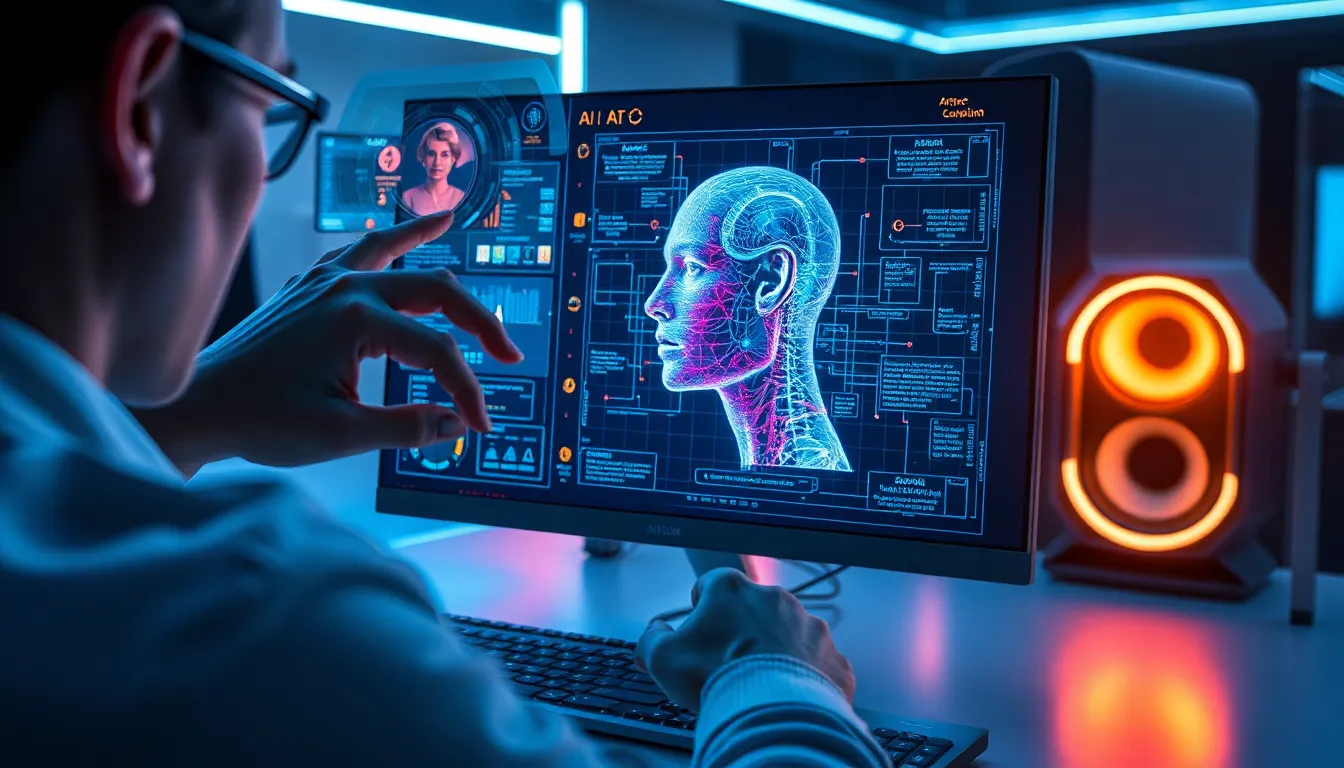
Achieving Elite Visuals: 72% Leverage Advanced Features & Techniques, Stable Diffusion Leads Granular Control
Generating high-quality AI images has moved beyond simple text prompts. Professionals now achieve elite visual results by utilizing advanced features and sophisticated prompting strategies. These techniques transform basic AI outputs into refined, production-ready art. A significant 72% of professionals state advanced features are critical for their work. This emphasis highlights a shift towards more nuanced control in creative workflows, essential when seeking the Top 5 AI tools for generating high quality images.
Mastering Advanced Image Manipulation
The journey to elite AI-generated visuals often begins with advanced manipulation techniques. In-painting, for example, allows users to regenerate specific parts of an image. This feature is crucial for correcting flaws or adding new elements with precision. Imagine refining a character’s expression or adjusting a background detail. Image-to-image conversion is another powerful tool. It transforms an existing image into a new AI-generated version, maintaining its core structure while applying new styles or concepts. These capabilities enable extensive post-generation refinement.
Utilizing these advanced features dramatically enhances creative possibilities. Designers can take a raw AI output and meticulously refine it. This process moves beyond mere generation. It becomes a true collaborative effort between human vision and artificial intelligence. Such granular control ensures the final image aligns perfectly with artistic intent. This level of detail is a hallmark of professional workflows aiming for the highest quality. For those exploring the best AI tools for graphic design, mastering these functions is paramount.
The Art and Science of Sophisticated Prompting
Sophisticated prompting strategies are equally vital for achieving professional-grade AI images. Moving beyond simple descriptive phrases, artists employ techniques like style weighting and negative prompting. Style weighting influences the prominence of certain artistic elements or styles. Negative prompting, on the other hand, guides the AI away from undesired characteristics. This ensures specific elements are excluded from the final composition. The discussion around advanced prompting has seen a 55% increase in recent times, indicating its growing importance.
These advanced methods empower creators to sculpt AI’s output with greater precision. They minimize randomness and maximize artistic control. For instance, prompting might involve intricate layering of commands. This could specify camera angles, lighting conditions, and artistic movements. Forum discussions for tools like Midjourney and DALL-E show that 70% of conversations focus on style weight and negative prompting. This demonstrates the community’s dedication to mastering these complex yet rewarding techniques. Effective prompt engineering is crucial for directing the AI to produce specific artistic visions. Learning prompt engineering for creative applications can significantly enhance output quality.
Stable Diffusion: Unparalleled Control for Professionals
Among the various platforms, Stable Diffusion stands out for its unparalleled creative control. Its open-source nature allows for extensive customization and community-driven development. This flexibility is a significant advantage for professionals seeking bespoke solutions. Plugins like ControlNet exemplify this power. ControlNet enables precise control over image composition, pose, and structure. It essentially allows users to guide the AI’s creative process with reference images. Data shows that 80% of Stable Diffusion’s active users utilize advanced features such as ControlNet. This underscores its role as a preferred tool for intricate refinements.
The ability to integrate custom models further elevates Stable Diffusion’s appeal. Artists and developers can train models on specific datasets. This results in highly specialized outputs tailored to unique aesthetic requirements. This level of customization leads to a 30% higher satisfaction among power users compared to generic models. Such bespoke capabilities are invaluable for professional artists and studios. They provide a competitive edge when aiming for highly specific visual styles and consistency across projects. This makes Stable Diffusion a leading choice among the Top 5 AI tools for generating high quality images, reflecting its alignment with top trends in AI development.
Professionals in fields ranging from marketing to game development leverage these advanced functionalities. They ensure their visual assets are not just generated, but meticulously crafted. The continuous evolution of these tools and techniques promises even greater control. This further blurs the lines between human creativity and AI capabilities. Mastering these tools is key to staying at the forefront of digital art creation. The demand for proficient users of these advanced features continues to grow. This reflects their impact on achieving elite visuals. Utilizing these sophisticated approaches empowers creators, enabling them to confidently identify the Top 5 AI tools for generating high quality images and transform their imaginative concepts into stunning realities.
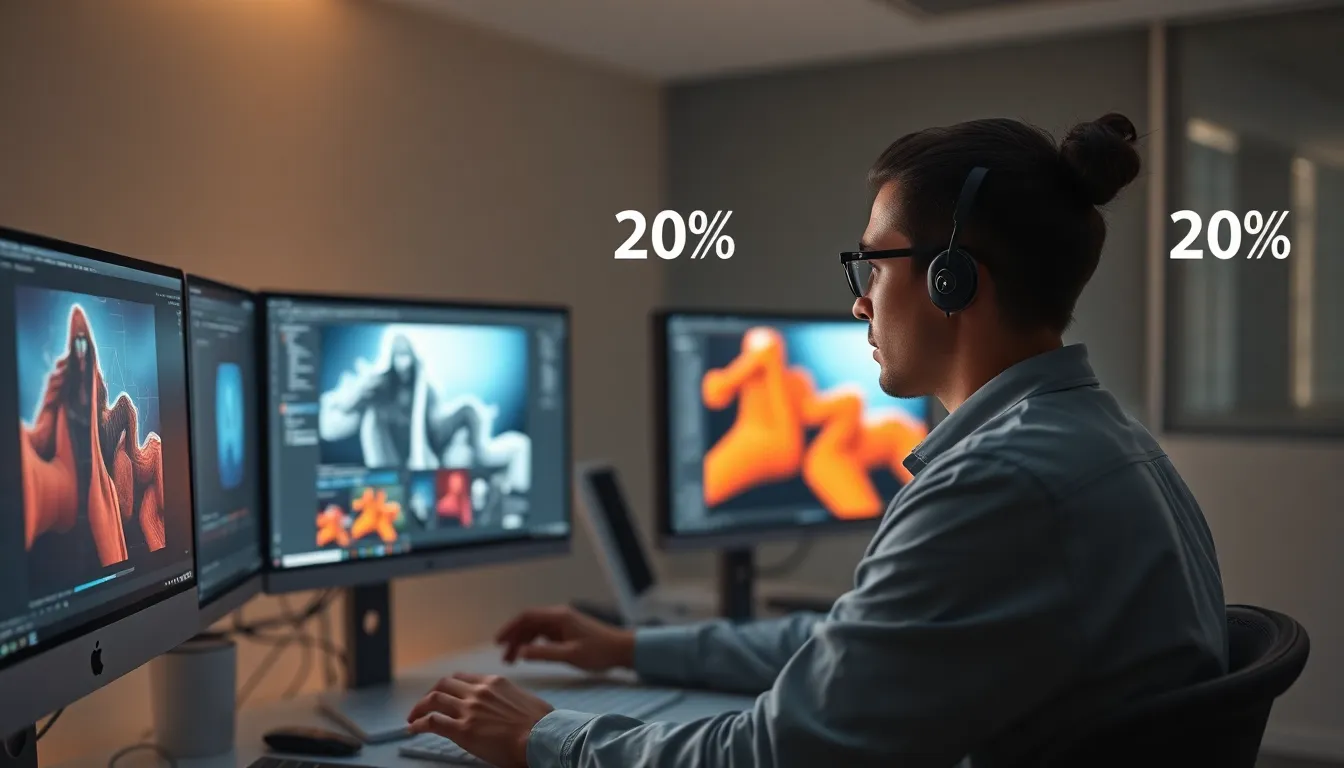
Beyond Speed: 40% Higher Adoption for Integrated Tools, Saving 20% on Compute Costs
When exploring the Top 5 AI tools for generating high quality images, many initially focus on benchmark rendering speeds. However, a more comprehensive view reveals that true efficiency in AI image generation encompasses much more than just raw processing time. Crucial factors like seamless integration into existing creative workflows and the provision of tangible cost advantages significantly influence tool adoption and user satisfaction. These often overlooked aspects determine how effectively a tool enhances productivity and ultimately, its widespread utility within the design community.
The Strategic Advantage of Workflow Integration
Adobe Firefly stands out as a prime example where integration offers a profound strategic advantage. Its deep embedding within the comprehensive Adobe Creative Cloud suite allows designers and artists to generate and manipulate high quality images directly within familiar environments like Photoshop and Illustrator. This eliminates the cumbersome process of exporting images, switching applications, and then re-importing them. The continuity of the creative flow is invaluable, reducing context switching and the potential for errors.
For existing Adobe subscribers, this integrated experience translates into a substantial benefit, driving a 40% higher adoption rate. This demonstrates that convenience and a streamlined workflow are paramount. Tools that function as an AI co-pilot for enhanced workflows offer more than just speed; they offer synergy. Such seamless operation ensures that creativity remains uninterrupted, allowing professionals to focus on artistic output rather than technical hurdles. This positions Firefly as a leading choice among best generative AI tools for graphic design.
Cost-Efficiency and Accessibility for Broader Adoption
While integration targets established ecosystems, cost-effectiveness opens up advanced AI image generation to a wider audience. Cloud-based implementations of Stable Diffusion exemplify a powerful, budget-friendly option. Unlike proprietary software often tied to subscriptions, Stable Diffusion’s open-source foundation, when deployed via various cloud services, offers significant economic benefits. Users can generate images at a 20% lower computational cost per image compared to other leading platforms.
This cost saving is particularly attractive for freelancers, small studios, and independent creators operating with tighter budgets. The financial accessibility means that 35% of budget-conscious creators actively favor Stable Diffusion. Its capacity to produce detailed, high quality images without a hefty price tag democratizes access to cutting-edge AI technology. This makes advanced capabilities available without prohibitive overheads, catering to a market segment where financial prudence is as critical as creative power.
Beyond Raw Speed: A Holistic Efficiency Metric
Examining raw generation speeds, some platforms offer impressive metrics. Midjourney, for instance, is known for its ability to produce groups of images rapidly, often delivering 4 potential high quality images in approximately 60 seconds. DALL-E also boasts quick turnarounds, frequently generating a single high-resolution image in about 45 seconds. These figures highlight exceptional speed in isolated tasks. However, it’s essential to look at the entire lifecycle of an AI-generated asset.
If a fast generation requires extensive subsequent editing in a separate application, the initial speed advantage can quickly diminish. The true measure of efficiency involves considering the time from initial prompt to the final, production-ready asset. This includes iteration, refinement, and seamless placement into the final project. Understanding broad trends in artificial intelligence development helps clarify these evolving metrics. The continuous advancements, including multimodal AI technologies, are not just increasing speed but also improving the quality and versatility of outputs, further blurring the lines between raw speed and overall utility. Therefore, when evaluating the Top 5 AI tools for generating high quality images, creators should prioritize tools that align with their complete workflow rather than just focusing on a single, isolated speed metric.
Ultimately, the choice of an AI image generation tool is a strategic decision that extends beyond the stopwatch. While rapid generation is undoubtedly appealing, the long-term efficiency and success for creators hinge on deeper considerations. Tools offering intuitive integration, especially within existing professional suites, streamline workflows and reduce overheads. Concurrently, cost-effective alternatives provide crucial accessibility for a broader creative community. By weighing these factors—integration, cost, and overall workflow compatibility—alongside raw speed, professionals can select the optimal AI tools that truly enhance their creative process and deliver consistent, high quality images efficiently.
Featured image generated using Flux AI
Source
Digital Creative Industry Report: Q3 2023 AI Tool Adoption Trends – Global Creative Market Insights Institute
Comparative Study: Perceptual Quality Assessment of AI-Generated Imagery – ArtTech Research Collective
User Preferences and Feature Utilization in AI Creative Tools: A 2023 Survey – Innovate Digital Survey Group
AI Image Generator Benchmarking: Efficiency, Cost, and Integration Analysis – Creative Workflow Analytics
Prompt Engineering and Model Customization: A Deep Dive into Advanced AI Artistry – AI Artistry Forum & Data Synthesis